The Importance of The Gut and Brain Connection
By Sagal Bulhan
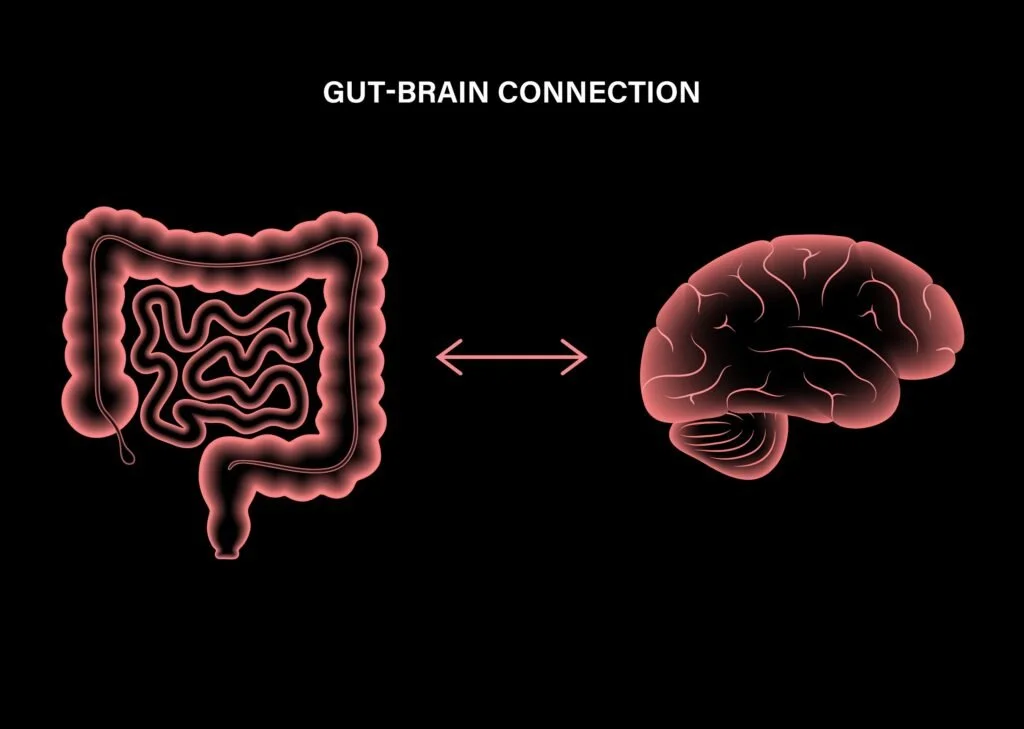
If you’ve ever experienced anxiety or stress, you may have also felt those emotions manifest physically as nausea, stomach pain, or indigestion. These physical symptoms aren’t just in your head; they’re part of a growing body of evidence showing the connection between the gut and the brain. Recent scientific research has identified a strong link between gut bacteria and brain function. It may seem surprising that microorganisms in our digestive system can influence our thoughts and feelings, but the evidence is clear, they do.
The gut microbiome is a complex ecosystem of trillions of microbes that is unique to each individual. This microbiome is shaped by factors such as genetics, environment, diet, and lifestyle. The microbes in our gut serve several important functions, including digesting food, supporting the immune system, regulating metabolism, and producing neurotransmitters like serotonin (Liang et al., 2018). These functions directly impact brain health and mood.
The gut is primarily composed of bacteria that live in a symbiotic relationship with us. While we provide a hospitable environment and nourishment, these bacteria, in turn, help with digestion, immune regulation, and the production of key neurotransmitters such as serotonin. In fact, approximately 90% of the body’s serotonin is produced in the gut (Liang et al., 2018). Serotonin plays a critical role in regulating mood, sleep, and digestion. Low levels of serotonin have been linked to mental health conditions such as depression, anxiety, and obsessive-compulsive disorder (Liang et al., 2018).
For serotonin to affect the brain, it must pass through the blood-brain barrier, a selective membrane that regulates what enters the central nervous system from the bloodstream (Liang et al., 2018). This helps explain why gastrointestinal symptoms often accompany anxiety and why gut health is so closely tied to mental well-being.
One area that further highlights the gut-brain connection is the comorbidity of gastrointestinal disorders and mental illnesses. Conditions like irritable bowel syndrome and chronic abdominal pain are frequently found in individuals with ADHD, depression, OCD, bipolar disorder, and autism (Liang et al., 2018). This connection is critical for researchers, as it may reveal how gut microbes function differently in those with mental health disorders, and which neurotransmitters they influence. In some cases, innovative treatments like fecal transplants have been used experimentally to improve both digestive and behavioral symptoms. Some studies involving children with autism have reported improvements following a fecal transplant, though concerns about safety and long-term effects remain (Dinan & Cryan, 2017). More research is needed before such treatments can be widely adopted, but the early findings are promising.
Improving gut health is an important step toward enhancing overall well-being. Eating a diet rich in vegetables provides essential fiber that nourishes beneficial bacteria. Reducing sugar and processed carbohydrate intake can lower gut inflammation, which in turn may reduce inflammation throughout the body. Additionally, maintaining an active lifestyle through regular exercise supports both gut and brain health (Liang et al., 2018).
Our gut plays a crucial role in both physical and mental health. Yet, many people are unaware of just how influential gut health can be, especially for those dealing with mental health conditions. As research continues to reveal the deep links between the brain and the gut, it's clear that taking care of our gut should be a priority for supporting emotional and cognitive well-being.
References
Liang, S., Wu, X., & Jin, F. (2018). Gut-brain psychology: Rethinking psychology from the
microbiota-gut-brain axis. Frontiers in Integrative Neuroscience, 12, 33–33.
https://doi.org/10.3389/fnint.2018.00033
Dinan, T. G., & Cryan, J. F. (2017). Gut-brain axis in 2016: Brain-gut-microbiota axis -- mood,
metabolism and behavior. Nature Reviews. Gastroenterology & Hepatology, 14(2), 69- 70. https://doi.org/10.1038/nrgastro.2016.200