Psychology of Self-Esteem and Body Image
By Madeline Smith
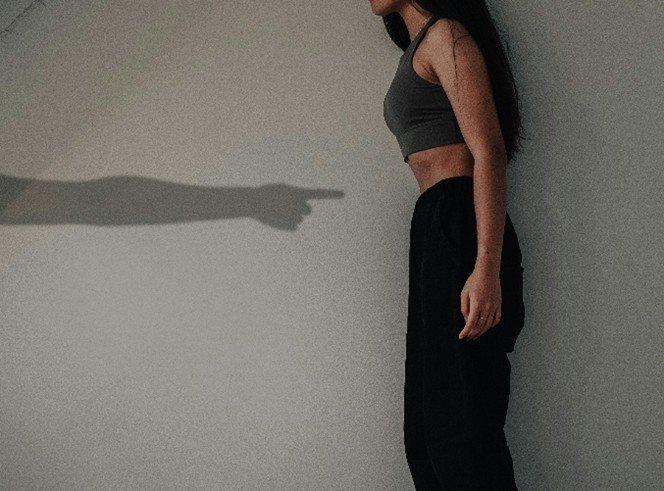
In a world where appearance often feels like currency, where younger and younger girls are being shown a certain standard of beauty, the pressure to look a certain way doesn’t just stay skin-deep. It seeps into our self-worth, our confidence, and our mental health. Body image issues, especially when shaped by unrealistic beauty standards, can have profound psychological effects, particularly on young women and girls. When society sets narrow expectations for what is considered “beautiful,” many are left feeling inadequate, anxious, or even ashamed of their natural selves. I, myself, went through a period in my life when I was embarrassed by how my body looked, how I spoke, and the clothes I wore.
These feelings can lead to deeper struggles such as depression, anxiety, and disordered eating. In this post, we’ll explore how body image impacts mental health and self-esteem, and how positive psychology and self-compassion can help break that cycle. Healing begins not with changing our bodies, but with changing the way we see them.
A study conducted by Shafia Rahman (2023) examined how media impacts women’s mental health in American women and women from India. The study explored how beauty standards in both American and Indian cultures, advertised through social media, affect women’s sense of self and mental health. The findings showed that negative cultural beauty standards promoted through social and mainstream media can adversely impact women’s self-esteem and body image.
Additionally, self-esteem has been shown to be higher when individuals’ social media accounts demonstrate higher activity and healthier engagement habits, compared to accounts with lower activity and unhealthy media habits. This research, conducted by Vogel et al. (2014), included two studies. The first used a correlational approach to examine whether frequent Facebook use was associated with lower self-esteem. Results indicated that individuals who used the platform more often reported poorer self-esteem. The second study used an experimental approach and examined the impact of temporary exposure to social media profiles considered “healthy” by the researchers.
These findings highlight a critical truth: it’s not just the content we consume, but how we engage with it that shapes our mental health. When we scroll mindlessly through images of idealized bodies or compare ourselves to carefully curated lives, it becomes easy to feel inadequate. This constant comparison doesn’t just chip away at self-confidence—it can create a cycle of negative self-talk and internalized shame that is difficult to escape. We begin living in a constant state of dissatisfaction, chasing lifestyles that belong to someone else.
This relationship between media and self-esteem also affects adolescents, who are experiencing significant physical and emotional changes. Research examining self-esteem development across age groups and genders has found that media influence, body image, peer relationships, and emotional expression all play a role.
Unsurprisingly, girls tend to report lower self-esteem than boys during early adolescence, with body image and media influence having a stronger negative impact. For boys, emotional expression becomes more restricted with age, and self-esteem often declines as they grow older (Polce-Lynch et al., 2001). This suggests that social media’s influence extends beyond women and girls to include boys and young men as well.
While these findings paint a concerning picture, they also open the door for change. That change begins with awareness, education, and action. In the final post of this series, we’ll shift the focus from problem to solution. We’ll explore practical strategies for developing a healthy self-image and highlight how influencers, brands, and everyday people are beginning to reshape beauty narratives for the better. You’ll also find resources and supportive communities that empower teens and young adults to step away from toxic comparison and toward self-acceptance.
The journey to loving yourself doesn’t have to be walked alone, and it certainly doesn’t have to follow someone else’s script.
References
Rahman, S. S. (2023). A cross-cultural study: The boundaries of beauty in American and Indian women (Doctoral dissertation, Order No. AAI29396930). APA PsycInfo.
https://www.proquest.com/dissertations-theses/cross-cultural-study-boundaries-beauty-american/docview/2783241719
Vogel, E. A., Rose, J. P., Roberts, L. R., & Eckles, K. (2014). Social comparison, social media, and self-esteem. Psychology of Popular Media Culture, 3(4), 206–222. https://doi.org/10.1037/ppm0000047
Polce-Lynch, M., Myers, B. J., Kliewer, W., & Kilmartin, C. (2001). Adolescent self-esteem and gender: Exploring relations to sexual harassment, body image, media influence, and emotional expression. Journal of Youth and Adolescence, 30(2), 225–244. https://doi.org/10.1023/A:1010397809136