Psychology from a Major to a Focus of Care
By Abigail Schwartz
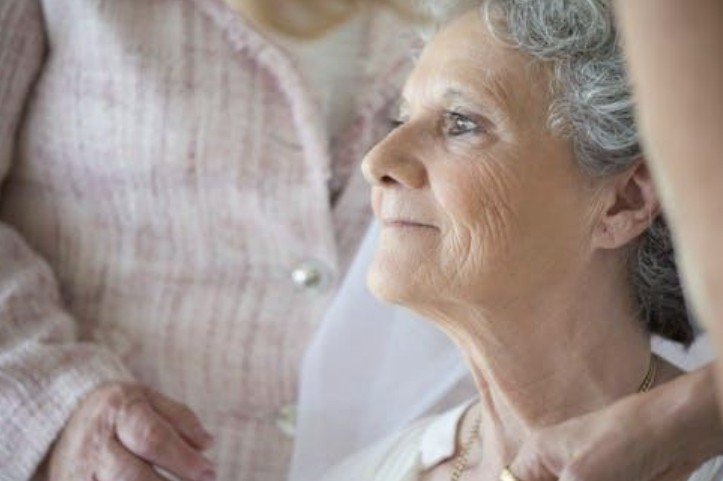
How can you provide care to an individual who does not remember who you are or where they are? How can you provide quality care when an individual shows frustration with their lack of understanding of their surroundings? These questions came up very often during my field experience working as a certified nursing assistant at Divine Providence Community Home. Divine is a long-term care facility for elderly individuals. My job was to provide residents with a variety of needs ranging from emotional to physical needs. I helped with hygiene, mobility, and activities of daily living, including giving baths, helping to ensure safe transfers, and assisting in feeding. Although much of my job was focused on physical needs, I quickly realized that caring for a resident’s emotional and psychological self was the most important and challenging aspect of my position.
Although this nursing home provides a comfortable place to live, worship, and enjoy for over fifty residents, I noticed something similar among most of them. Because I work with an elderly population, dementia was recognized among many of the individuals I supported. Dementia is considered very common in this population, with 40% of individuals over the age of 85 being affected (UCSF, 2025). Although individuals often think solely of memory loss when they hear the word “dementia,” it is a very complex condition that affects people differently. Dementia is defined as any condition that results in an alteration of the memory and thinking processes of a person, which can result in struggles in activities of daily life (UCSF, 2025).
While dementia is so common, people often do not consider the other psychological effects that it can cause. It was very common for me to observe anxiety and depression going hand-in-hand with dementia. Some of the residents would scream, cry, or even have an angry outburst when they were struggling to remember something. Other residents would separate themselves from others and withdraw from the situation completely. I will freely admit that consoling an individual with dementia can be incredibly difficult. It took me many experiences to learn the importance of being present with the individual in need. Although slowing down your pace of work in a healthcare setting can be difficult, it is incredibly beneficial to slow down to offer emotional comfort to those who need it.
From as long as I can remember, I have been interested in psychology. I have found the external and internal factors that can influence an individual’s psychological well-being fascinating, but age was never something I considered a factor until this experience. When I started incorporating what I had learned from my psychology courses into my work, things that used to seem so obscure started to make more sense. I started to pay more attention to emotional cues from residents and connected them to conditions and symptom-reducing techniques. I started asking more psychological questions when behaviors occurred that I could not put my finger on. Although I don’t have all the psychological answers, I will continue to ask them. The elderly population is underserved, and they deserve people to continue to research answers for them.
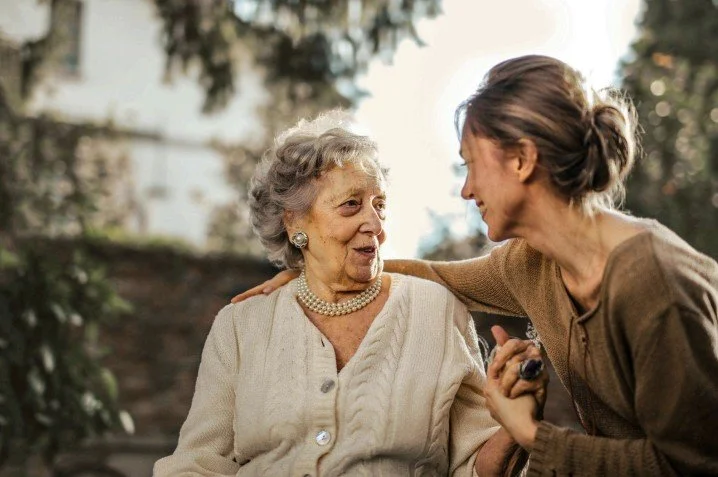
Dementia brings with it serious emotional struggles to a population that already faces isolation and lack of support. I learned how vital it is to equalize emotional and physical care as a caregiver. It is important that I prioritize acts of emotional care during my continued work in healthcare: holding a hand, offering an ear, or being an individual who listens to concerns.
This field experience taught me that so much of psychology is about being observant and attuned to what people are feeling, even when they can’t always describe it or show it. I believe that my future career in healthcare will bring me back to what I learned during this field experience over and over again. I can always be more patient and observant, and I can dedicate myself to providing care to a population that is underserved. Aging psychology is now an area that I feel pulled to in a personal way.
This fieldwork allowed me to take my major and apply it to a population that is among the most vulnerable. I was able to connect with residents as I took an interest that simply seemed to be in textbooks and assignments and applied it to a job that I love.
References
University of California, San Francisco. (2025). Dementia & the brain | Memory and Aging Center. Memory and Aging Center. Retrieved July 15, 2025, from https://memory.ucsf.edu/tl/node/6