The Stress of Being an LGBTQ+ Child and the Statistical Suicide Rate
By Lucas Nelson
We've all heard the statistics, LGBTQ+ children make an attempt on their lives far more than those who are both cisgender and straight. That’s not a particularly surprising thing, considering the level of hate in the world nowadays, but understanding why this is the case is far more important than simply understanding that it's true.
Imagine a 12-year-old boy, Noah. He’s recently discovered what the word gay means and resonates deeply with it due to a feeling of longing he’s held for another boy in his class. The problem comes when the other kids in his class start making jokes and calling each other gay as an insult. This really hurts and scares Noah, he’s only just learned that he’s gay and now people are treating it like it’s a bad thing, like it’s wrong. It makes Noah think that being gay is bad, that he’s doing something wrong by simply existing and liking this other boy. Now in this specific case, Noah may not be real, but there are countless kids who have or are currently experiencing this same feeling of wrongness in their own identity.
There are countless types of stressors for all people, but there are some that only apply to those who identify with the LGBTQ+. The two significant ones I will talk about are having to hide who you are from family or friends and dealing with hurtful language that will likely be said around or possibly at you.
Now I mentioned that LGBTQ+ children and teens have a lot of stressors specific to them. Let’s actually unpack the ones I mentioned. The first one is having to hide your sexuality from those close to you. It’s an incredibly scary thing having to hide who you are from those who should be the most supporting. It adds this constant pressure and fear over the most mundane things that wears you down. It makes every small interaction feel like an interrogation even when it’s not. Plenty of teens in this position have seen or heard stories of other people like them getting caught. Some were isolated at school, bullied or possibly thrown out of the house. These, tragically, are reasonable enough fears and it breaks down at the willpower of those who have to fight this battle every day. “Another national study found that 40% of LGBQ individuals indicated that a family member or friend had rejected them due to their sexual orientation or gender identity” (Fulginiti et al., 2021). This statistic shows that this heart breaking reality isn’t just some hypothetical that isn’t real, rather it's something that a significant amount of teens deal with and have to fear.
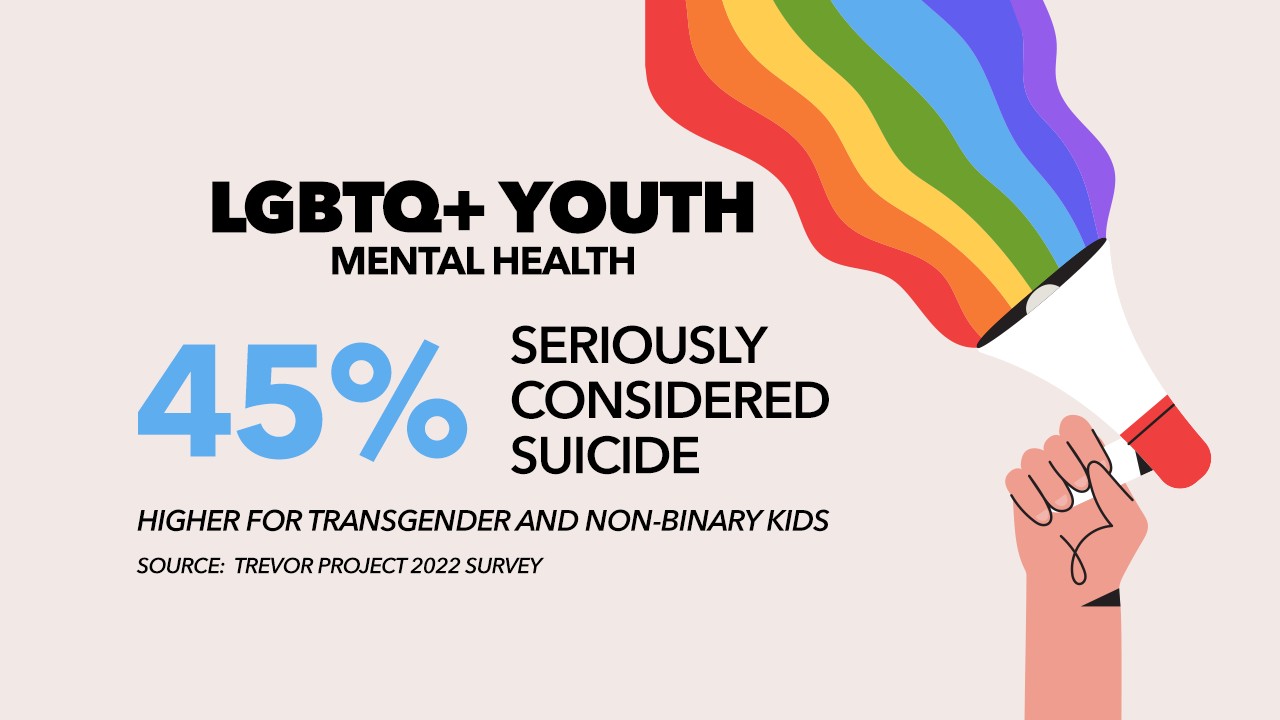
The next stressor is dealing with the language that is thrown around or possibly at you. Even when this language isn’t directed at you, it’s still quite damaging. Hearing this hatred in general hurts, knowing that those words could easily be sent back at you at any time while also proving to you that this hatred is still there constantly. When it comes to having those words said at you though, that’s when it seriously is damaging. If it comes from people you trust and have faith in, then not only is being called such a thing painful, but the betrayal from someone you may have believed in or should support you. It’s incredibly difficult to handle such things. An article from Ms. Magazine says, “98 percent of respondents who had experienced at least four instances of discrimination and violence within the past year had thought about suicide that year, and of those, over half (51 percent) had attempted suicide.” It’s a frankly disgusting amount of teens that consistently have to go through such things.
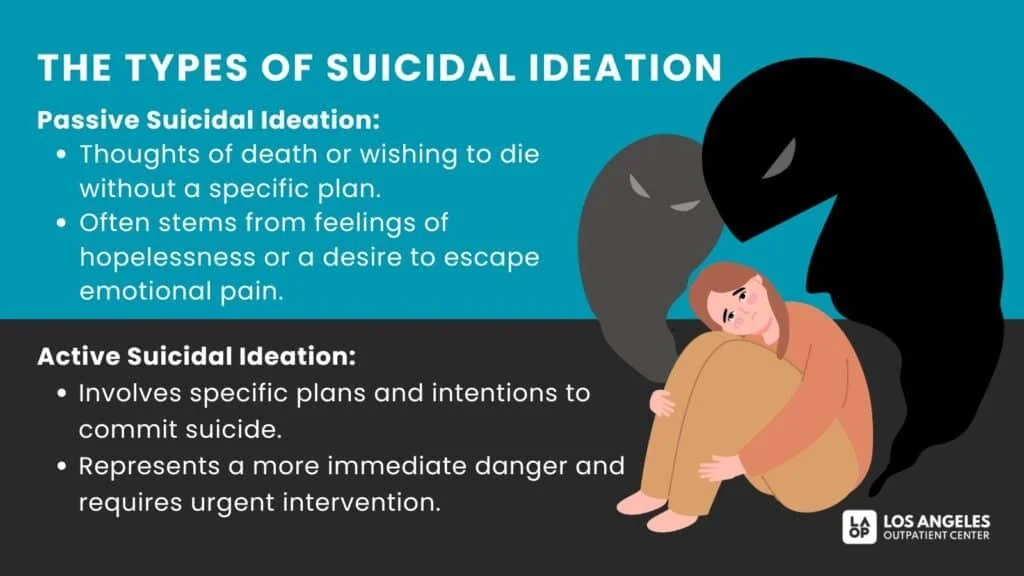
These stressors, and more, weigh down the mind of teens whose only problems should be classwork, making friends and what afterschool activity they want to do. This additional pressure beyond the normal for straight cisgender teens when combined with the standard can cause suicidal ideation, active suicidal thoughts and even attempts on their lives. There’s serious differences between ideation and actual thoughts. This website goes much more in detail about suicidal ideation. “Passive suicidal ideation is described as thoughts focused on dying or feeling like you would be better off dead, without actively making any plans to take your own life.” (Papyrus, 2021). Under this also falls the wish of simply passing in your sleep, as it’s not an active choice you can make and simply happens. This idea of simply wishing to pass is a truly heartbreaking thing, rather than feeling sharp stings of emotional pain, it's closer to a passive dull ache that constantly hurts.
Being a teenager is already an incredibly difficult time, between puberty, middle and high school, trying to make and keep friends and the pressures of getting close to adulthood, there’s already a ton to deal with. Being a part of the LGBTQ+ community adds multiple different layers of stress that compound highly onto each other. It’s an Incredibly difficult time right now, hate is on the rise, people are more divided than ever and every day feels more and more stressful. I believe that we need to see past the labels and see that the differences bring out the best in us. After all, the world would be quite the boring place if everyone was the same.
References
Fulginiti, A., Rhoades, H., Mamey, M.R., Klemmer, C., Srivastava, A., Weskamp, G., & Goldbach, J. T. (2021 ). Sexual Minority Stress, Mental Health Symptoms, and Suicidality among LGBTQ Youth Accessing Crisis Services. J Youth Adolescence 50, 893–905. https://doi.org/10.1007/s10964-020-01354-3
Paparus, U. K. (2021). What is passive suicidal ideation? https://laopcenter.com/mental-health/symptoms/suicidal-ideation/
Haug, O. (2020). LGBT People at a Higher Risk for Suicide. https://msmagazine.com/2020/10/27/lgbt-people-at-higher-risk-for-suicide/