Lessons in Compassion: My Field Experience in Assisted Living
By Abigiya Haile
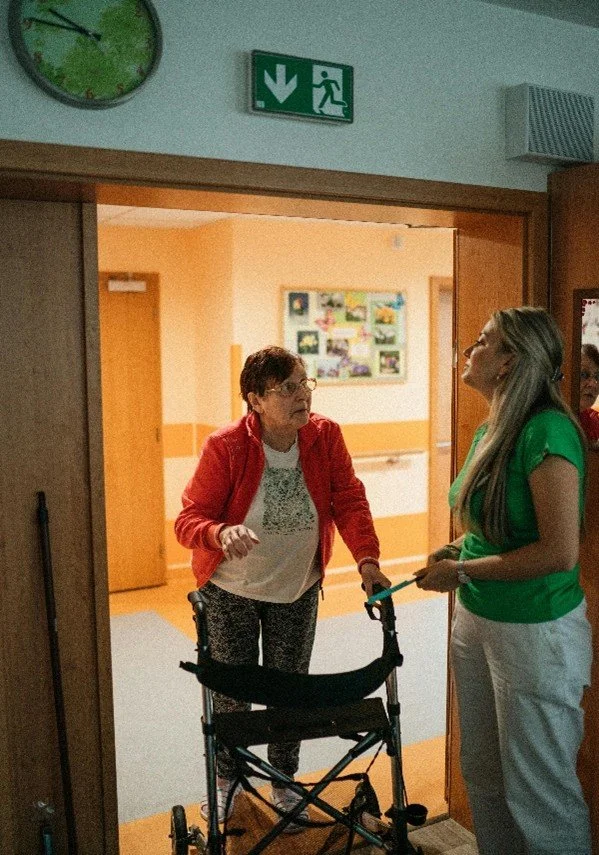
When I began my field experience at an assisted living and memory care unit, I was eager to see how my classroom knowledge of psychology would apply in a real-world setting. This experience was not only educational, but also deeply personal, as it showed me the challenges and achievements of individuals living with dementia. My primary role involved assisting residents with their daily living activities, such as eating, dressing, and participating in social events. While these tasks might seem easy, they are important for maintaining the dignity and quality of life of the residents. Each day brought new challenges and learning experiences, which helped me appreciate the value of patience, empathy, and adaptability.
This experience deepened my understanding of dementia, especially the importance of a supportive environment in managing this condition. I learned that even the smallest changes, like adjusting the room to fit someone’s preferences or sticking to a consistent daily routine, can really make a difference in how comfortable and happy a resident feels. Just spending time doing things they enjoy, like puzzles, music, or crafts, showed me how important it is to keep their minds active and emotions engaged, especially when caring for someone with dementia.
One psychological concept from what I learned in college that came alive for me during this experience was "person-centered care." I had learned about this approach in class; basically it’s about shaping care around someone’s personal preferences, background, and culture. Seeing it in real life really showed me how important it is to treat people like individuals, not just patients.
During my time at the assisted living, I was also able to observe and participate in multiple team meetings, which included nurses, aides, physical therapists, and more. These meetings were super helpful in showing what care is really like for dementia patients; it's not just about the medical side, but also the emotional and social aspects too. They really showed me how important it is for healthcare workers to communicate and work together to give the best care possible. I also got a deeper look at how tough dementia can be on families and caregivers, emotionally and mentally. I had several opportunities to interact with family members, which helped me understand the broader context of each resident’s life. These interactions showed me the role of psychological support not only for the patients but also for their families, who often struggle with grief, guilt, and fatigue.
Thinking about what caregivers go through really got me interested in how psychology can help make things better for them. It made me realize that if we give caregivers more support and better education, this could make a big difference not just for them, but for the people they’re taking care of too.
Further, the experience helped me understand the importance of continuous professional development and learning in the field of psychology. As there are new theories and practices emerging every time, it is important to stay informed about new information and being adaptable is essential. The daily interactions and teamwork, whether it is with family, aides, or nurses, have also improved my communication skills, which is important when working in the healthcare field.
Reflecting on my time at the memory care unit, I am grateful for the personal and professional growth it has given me. This field experience has not only improved my understanding of psychology but also taught me the profound impact of compassionate care on individuals with dementia. As I move forward in my career, I am committed to applying these insights to help improve the lives of those affected by dementia and other mental disorders.
Overall, getting to connect what I’ve learned in class with real-life experience has been a huge part of my growth. It really changed the way I see things and helped me understand just how important this kind of work is. What stood out the most were the personal stories every patient and family shared with me. It’s those moments that have stuck with me and pushed me to want to keep making a difference wherever I can.