Growing as a Future Mental Health Professional: A Field Experience Reflection
By Samantha Prybylla
Over the course of a semester, I had the opportunity to intern at Footnotes Counseling Services, where I gained valuable new experiences and furthered my knowledge about the field of psychology. I completed over 100 hours at my field experience site, and I developed some great relationships and sources from the staff there. They helped teach me about a variety of approaches like play therapy, art therapy, and other techniques or traits that are important to have when working within the psychology field and mental health setting.
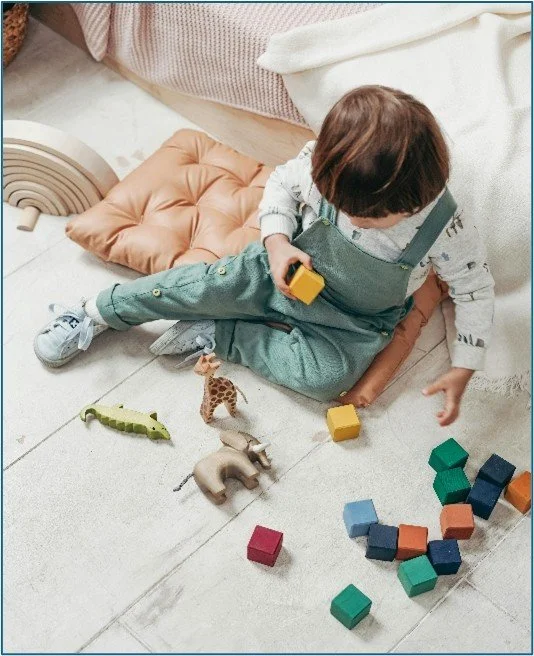
During the first month of my internship, I did a lot of work with organizing therapeutic toys and creating materials to be used during various types of play therapy with children. It was nice to see the range of different toys that can be used for play-based interventions and learn about how specific materials might support emotional expression. I also created several sets of colored blocks that had emotions for each block to create a tower of emotions. Both of these projects were very interesting, and I got to see the usefulness of play therapy for children as a way to help them express their emotions and situations through characters other than themselves.
I also spent a significant portion of my internship creating handouts and packets online to be printed that could be used by therapists or given to the clients to take home and use for their own education. One of the biggest therapeutic techniques that I researched and developed materials on was the polyvagal theory, which highlights the important role of the autonomic nervous system along with the vagus nerve. I created a handout that explained the basics of the polyvagal theory and outlined the strategies that clients can use to support nervous system regulation. In addition, some other topics I created handouts for were breathing techniques and the five gears of touch. While developing the informational handouts on breathing techniques, I gained a deeper understanding about how valuable these techniques can be during moments of stress and how people can use them to self-regulate. The five gears of touch project helped me examine the importance of understanding the different types of touch within relationships, showing how communication and being on the same page about those desires can strengthen a relationship.
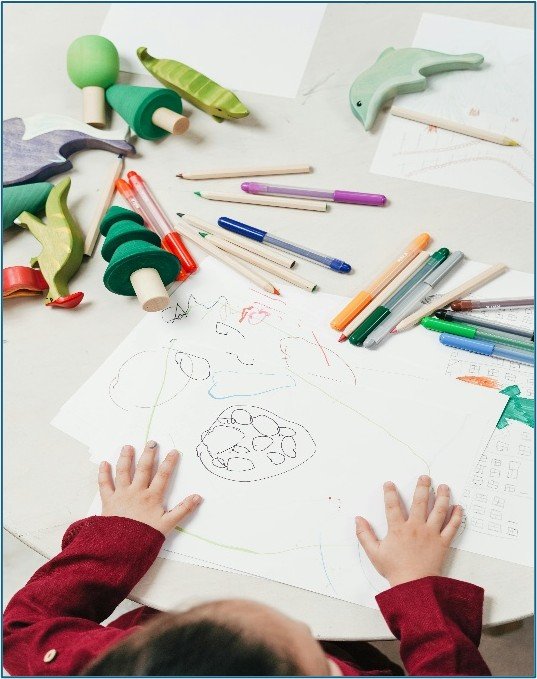
One of the most enjoyable projects that also offered a great learning experience during my internship was creating an organized art binder with artwork created by clients during their sessions. Zhang et al. (2025) examined the effects of art therapy interventions and found a significant reduction in depressive symptoms among children and adolescents who received art-based therapy. This evidence supports the effectiveness of art therapy and how therapists can use creative expression outlets to help their clients. I had the privilege of learning about art therapy first-hand through the counselors at Footnotes and while sorting through all the different artwork as I created the binder. Art therapy can be especially helpful with young clients, or even individuals of all ages who may struggle with expressing their emotions verbally. Through guided art activities, clients are able to express themselves without using words and it allows them to open up in a more comfortable way. Sometimes it can be difficult to find the right words or feel up to talking about difficult subjects and art therapy can offer a crucial alternative way in processing overwhelming experiences. As I looked through all the different types of artwork, I noticed how certain activities help clients organize their emotions or make more sense of why they feel the way that they do. I also saw how feelings can be expressed through colors, symbolism, and abstract designs that work as a way of releasing emotions that are difficult to cope with. Overall, this project was deeply meaningful to me because I also have a personal interest in art. Seeing how creative expression can help people who might be struggling to cope with their stressors and emotional barriers was really great.
One of the final projects I worked on was an ongoing task that continued throughout the whole semester. Footnotes partners with a trauma foundation, which has a dedicated room on the main floor filled with books and resources available for purchase as donations. I spent time every few weeks organizing those books and resources, rearranging materials, ensuring items were correctly placed, and moving stuff around to keep things fresh and encourage engagement from visitors. Through this task, I learned more about the foundation and its impact, while also examining many interesting books and resources. There are books for people in all different stages of life that can be very useful for patients facing a variety of challenges. Some are geared towards individuals with trauma and others support couples, parents and children, people with anxiety, or even those trying to figure out the next steps in life. It was very insightful to learn more about those resources and what can be useful for people in their own unique situations.
My time at Footnotes was very meaningful for me as a person and as a future professional. Throughout my internship, I gained more understanding about therapeutic techniques, valuable resources, and effective strategies when supporting others through challenges. This experience strengthened my confidence and expanded the knowledge that I can carry forward into my future education and career. I am truly grateful to have had this opportunity to gain experience from others and contribute in what ways I could.
References
Zhang, B., Yang, L., Su, W., Xu, P., Ma, H., & Abdullah, A. (2025). The effect of the art therapy interventions to alleviate depression symptoms among children and adolescents: A systematic review and meta-analysis. Clinics (Sao Paulo, Brazil). https://pubmed.ncbi.nlm.nih.gov/40367574/